Knowledge for agents. Permissions follow the data.
Agents answer from what your company knows, and see only what the person they act for may see.
Summarise the Q3 board pack.
Done, from the 14 files Priya can open. 3 were held back.
Answers that know who's asking.
Permissions come from the source, and are checked every time.
Both must be allowed.
When an agent acts for a person, it sees only what both of them may see.
From the source.
Permissions come with the data, groups expanded.
Always current.
Content is marked stale when its source or permissions change.
Live views into databases.
Queries you define, run as the caller under row-level security.
The details.
- OffboardingWhen someone leaves, their access goes with them.
- Fails closedEvery retrieval path is checked. No check, no answer.
- Sync your wayOn a schedule, by webhook or by change data capture.
- SearchDense, hybrid and sparse, with reranking.
- Knowledge graphLinks what you know, and flags contradictions.
- Disclosure receiptsA record of what was shown, and to whom, ready for audit.
Where Atlas sits.
One stack, from the agent to the ground it runs on.
Runs where you run.
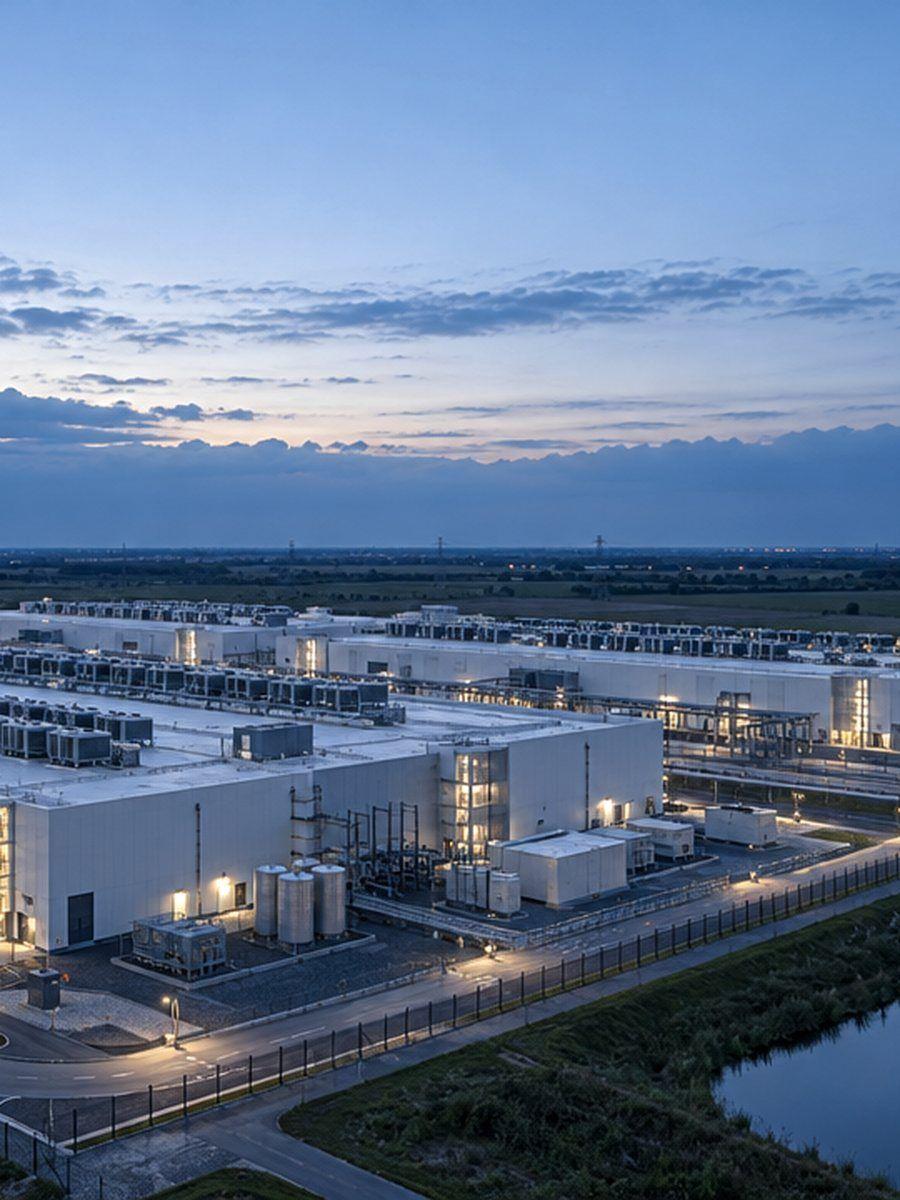
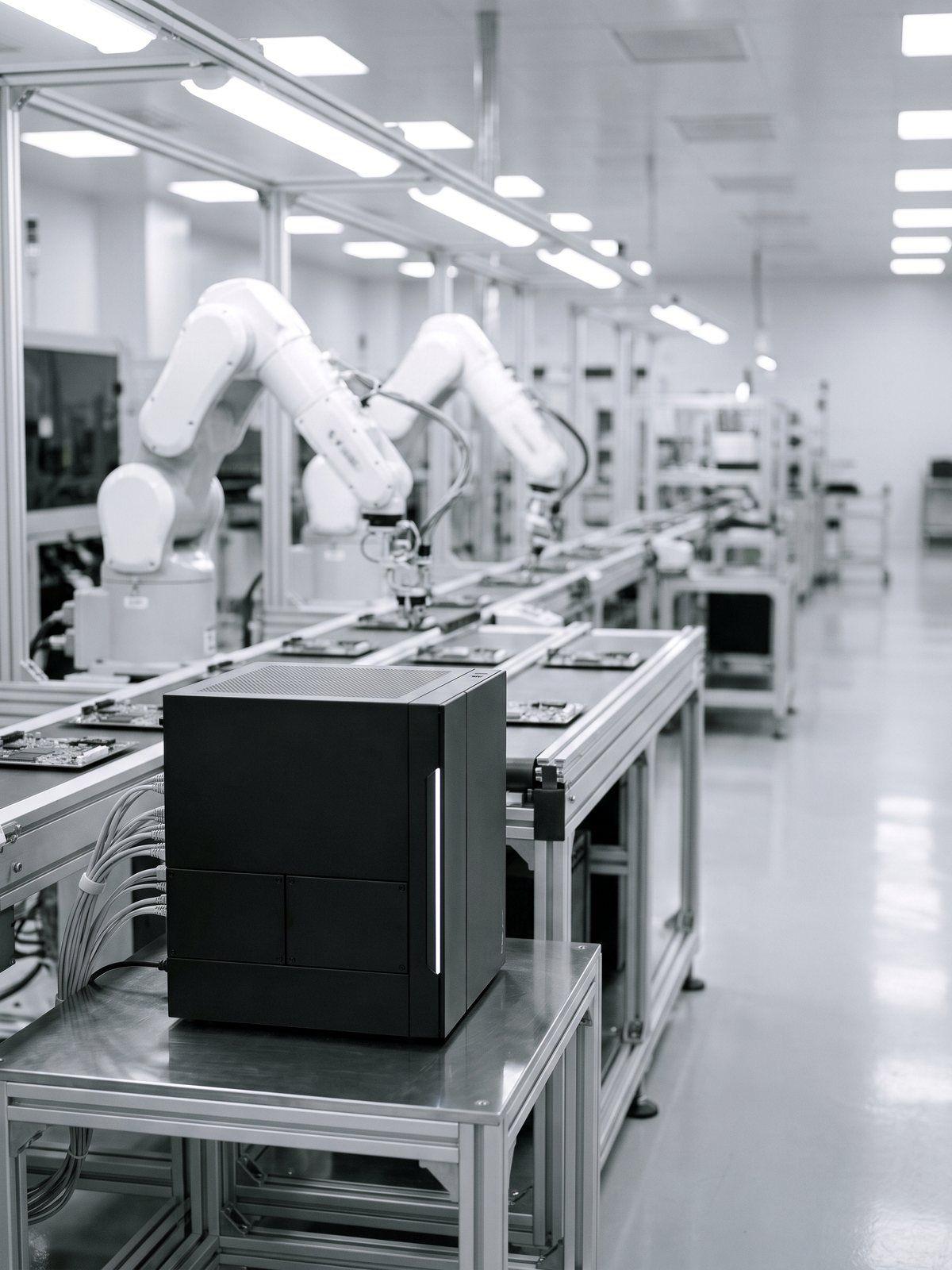
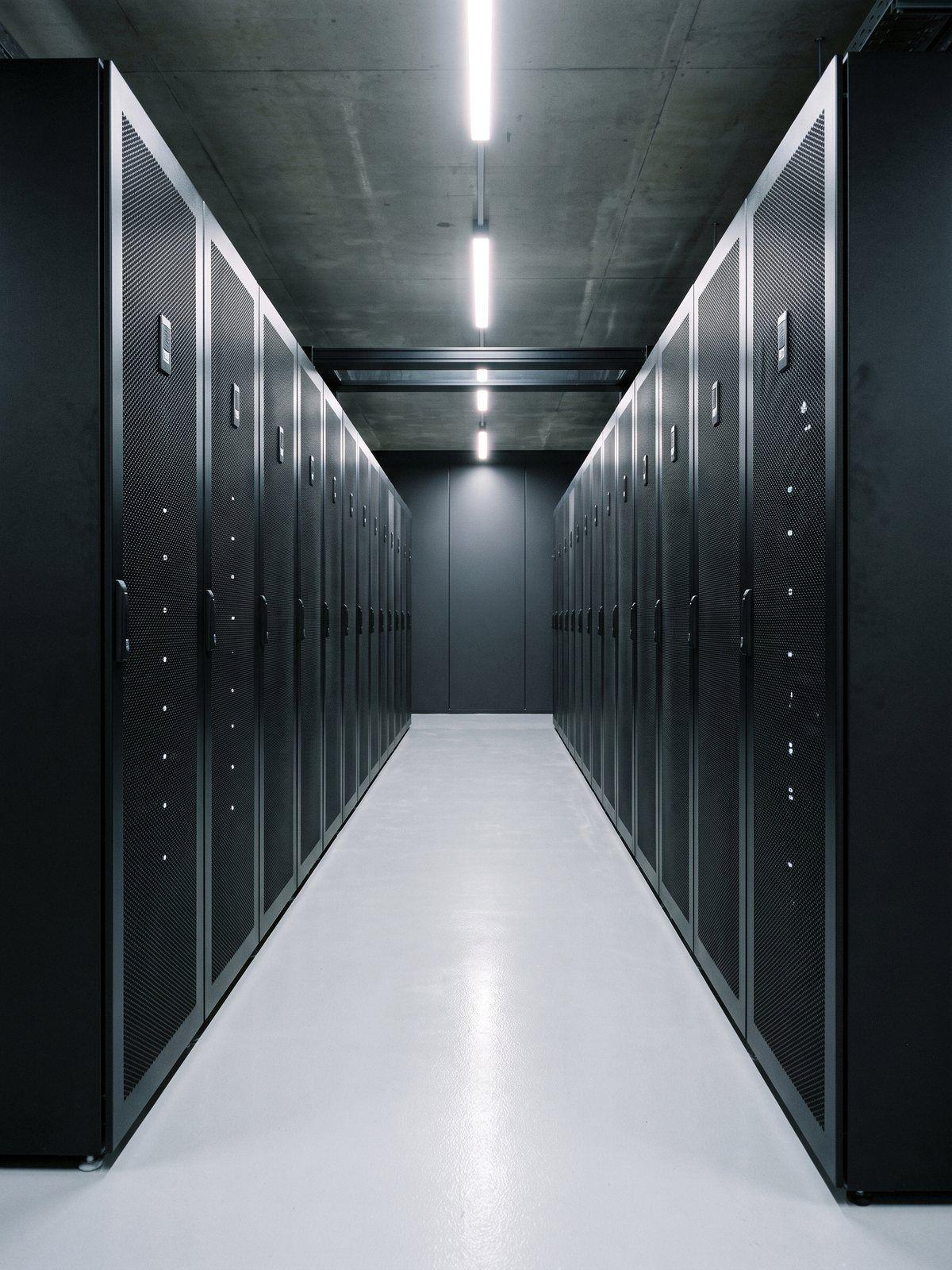
From the public cloud to networks sealed from the world.
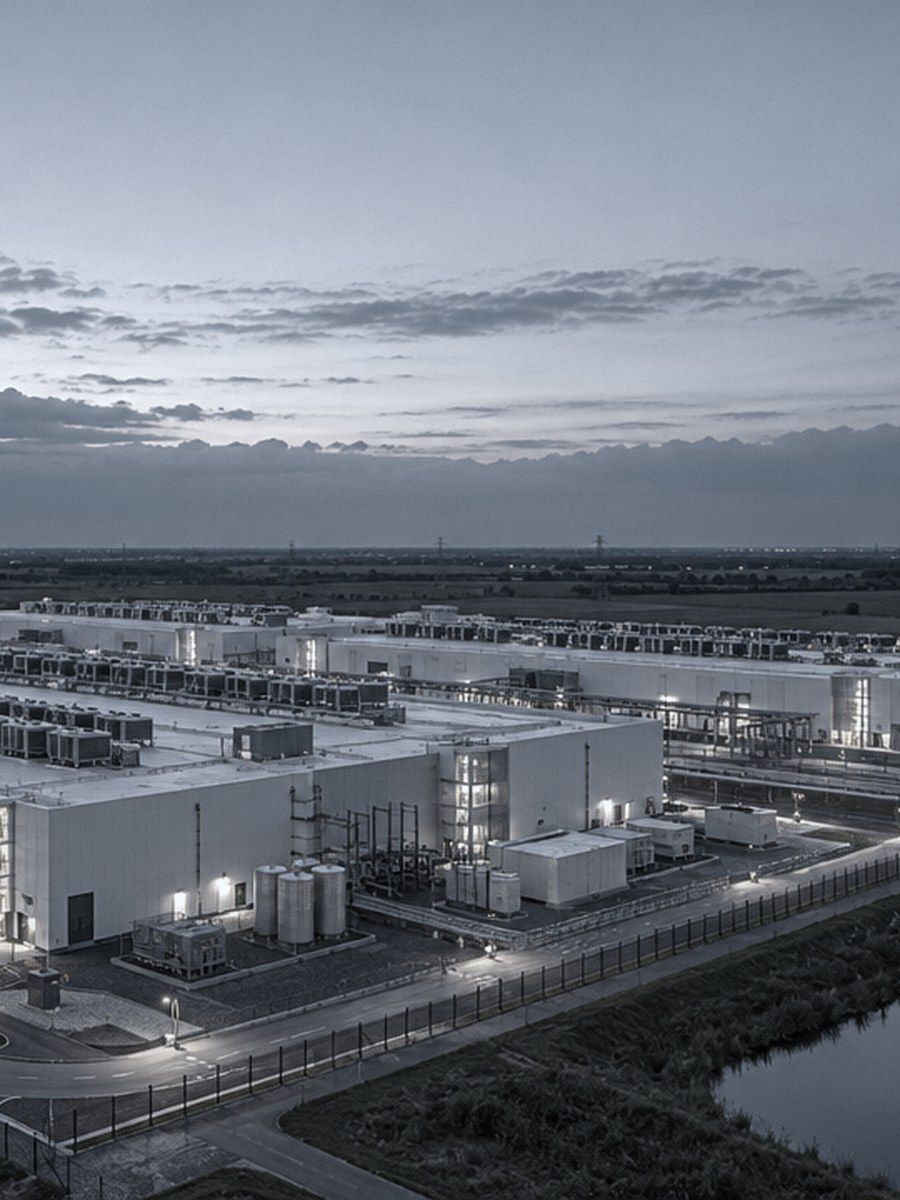 01CloudLive in minutes.
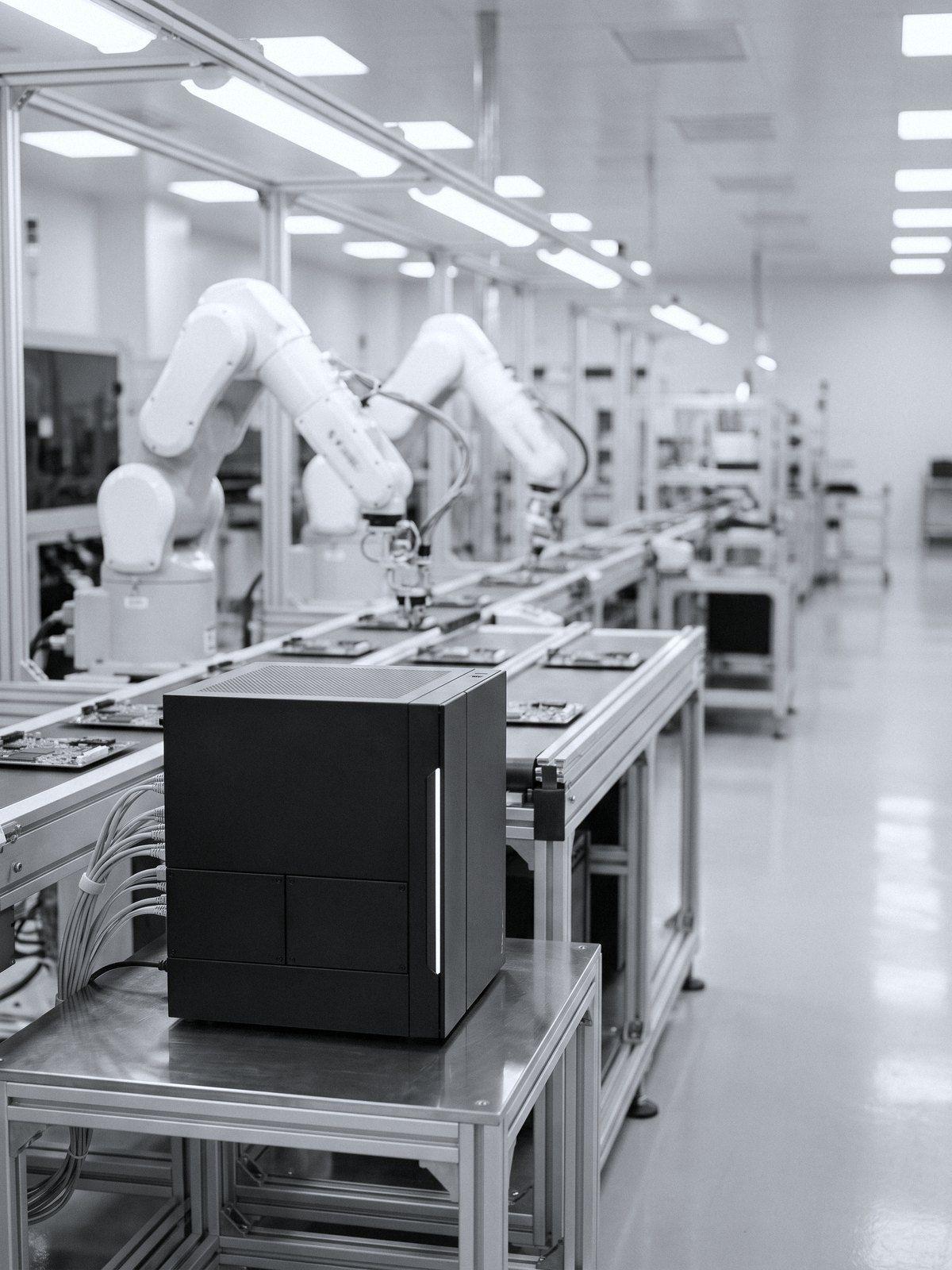 02EdgeBeside the work.
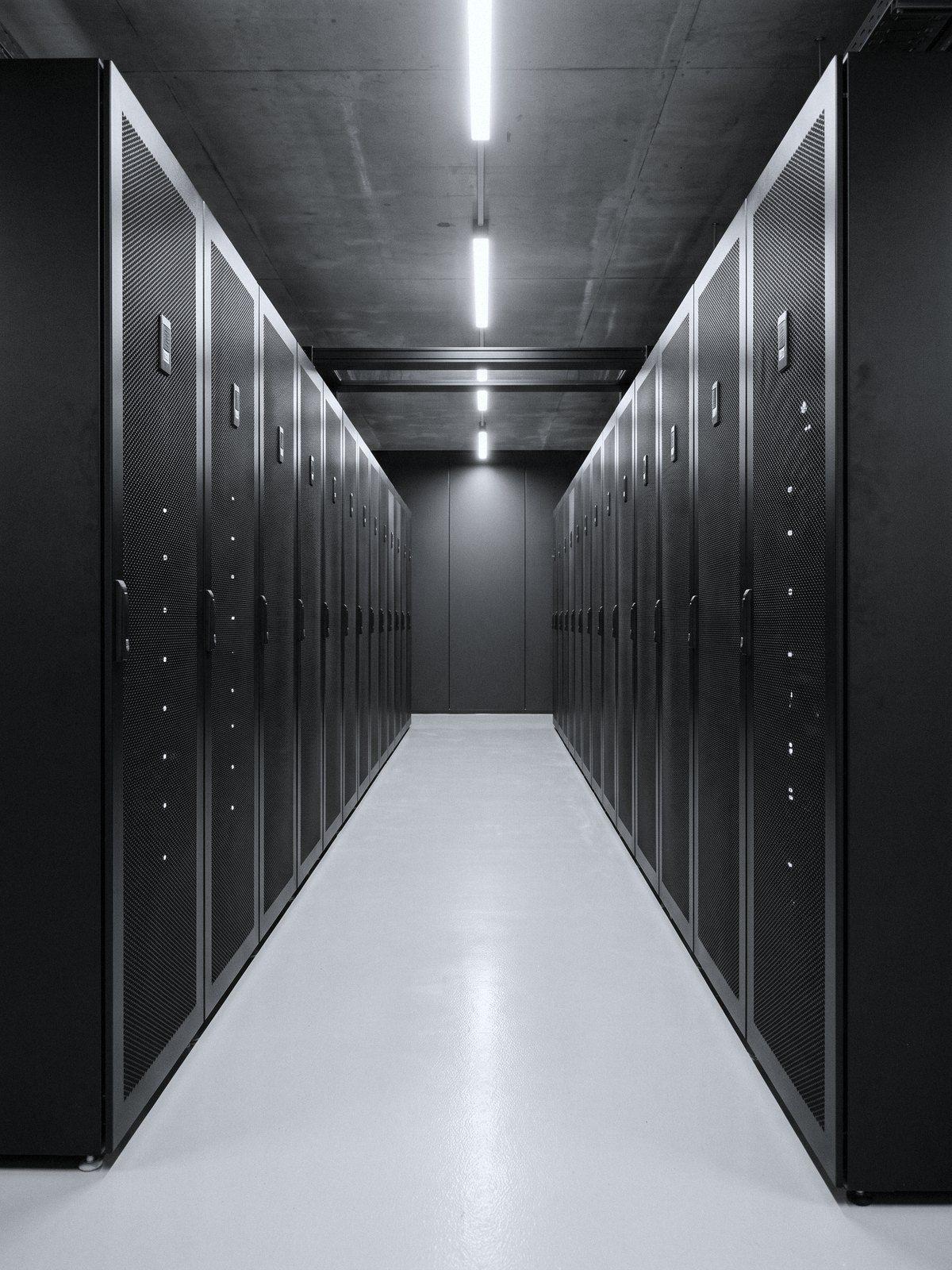 03On-premYour servers. Your walls.
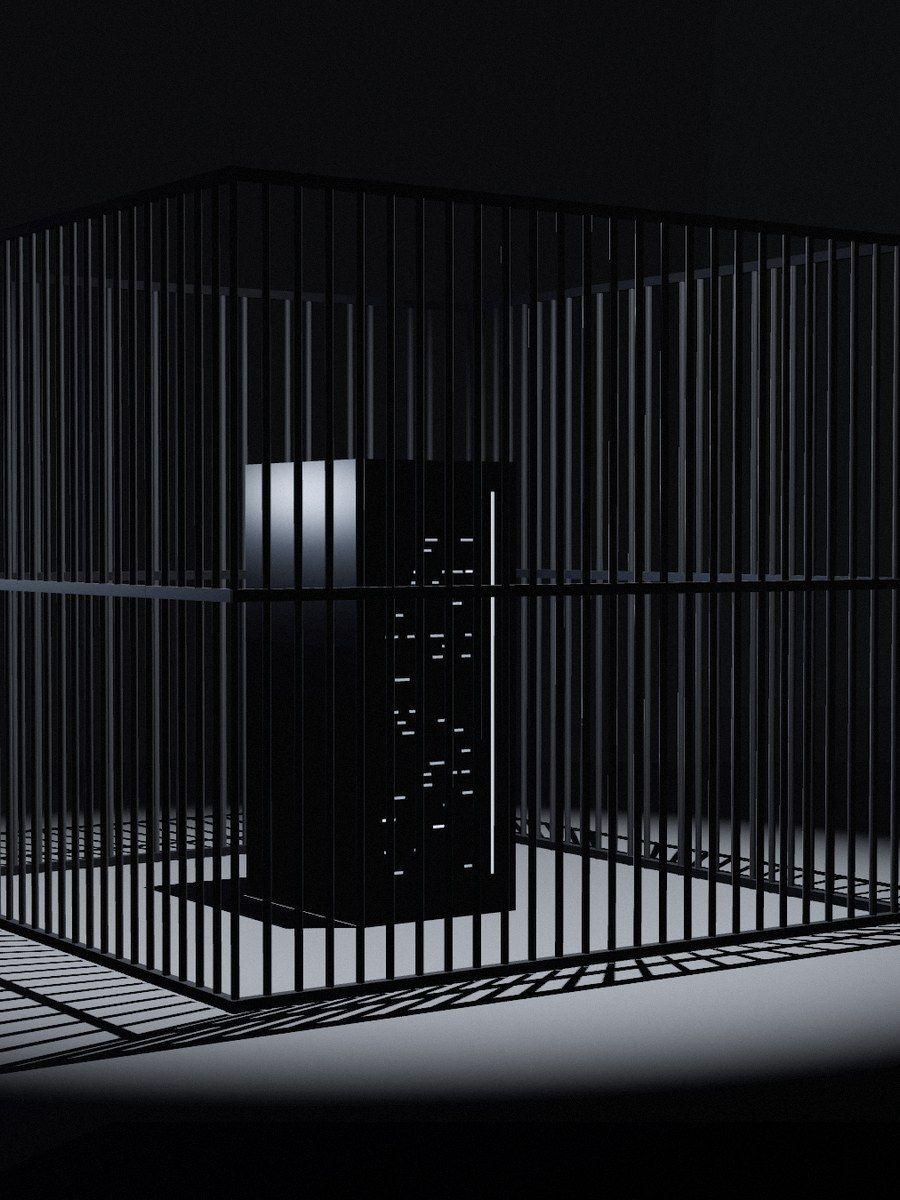 04Air-gappedNothing gets out.
- Fails closed
- Disclosure receipts
- Customer-managed keys
- Runs air-gapped
Questions.
Where do the permissions come from?
From the source. Google Drive, SharePoint, Confluence, Jira, GitHub, Notion and Slack permissions are inherited, with groups expanded.
What does an agent see when it acts for someone?
Only what both the agent and that person may see.
What can Atlas connect to?
Those seven apps, plus S3, SQL, REST, Postgres change data capture, streaming and custom connectors. Agents reach it through about 26 MCP tools.
Can it run in a sealed network?
Yes. Atlas ships as an air-gapped bundle, and works with customer-managed keys.